Quinta do Montalto not only dates back to the year 1880 (five generations) but is one of very few wineries that makes a beautiful local wine from the 1100s in the same traditional way it has always been made. Now, this wine lies within the DOC of Medieval de Ourém Encostas d'Aire. In general, their wines are labeled Vinho Regional Lisboa, because they are in farthest-north area of Lisboa (previously Estremadura), between the villages of Ourém and the famed Fátima (where the Blessed Virgin Mary was said to appear to three children in 1917). Montalto is perched in the middle of 50 hectares of certified organic land, and just 15 hectares are vineyards--the rest is dedicated to fruit, gardens, and forest. All of their native varieties are beautifully illustrative of the grapes and area, as they use native yeasts for the fermentation of their Medieval and red wines, very neutral oak, and light filtering methods. Montalto wines are pure, expressive, an incredible value, and a wonderful representation of what the region is known for.
QUINTA DO MONTALTO - VIRTUAL VISIT
The following interview was recorded in the fall of 2020 during the Covid lockdown. These videos were intended to promote sales and create requests for samples during a time when promoting new wines was challenging. Although this promotion is over, the videos contain SO MUCH great content that we want to make it available to you.
To watch this Virtual Visit on YouTube - click HERE Pro-Tip: Underneath each video there is an expandable description (click Show More) where you will find 'time-stamps' that are quick-linked to particular topics throughout the video for easy navigation and quick information
The following interview was recorded in the fall of 2020 during the Covid lockdown. These videos were intended to promote sales and create requests for samples during a time when promoting new wines was challenging. Although this promotion is over, the videos contain SO MUCH great content that we want to make it available to you.
To watch this Virtual Visit on YouTube - click HERE Pro-Tip: Underneath each video there is an expandable description (click Show More) where you will find 'time-stamps' that are quick-linked to particular topics throughout the video for easy navigation and quick information
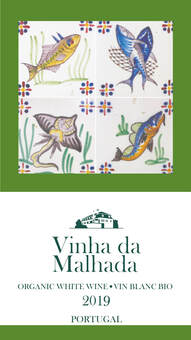
montalto 'vinha da malhada' branco
fernão pires & arinto The Vinha da Malhada Branco takes its name from a 3.5-hectare vineyard of the estate where much of this fruit comes from. It is a blend of two local varieties called Fernão Pires and Arinto, that both give wonderful aroma, texture, and flavor to the final wine. The grapes are hand harvested and brought to the cellar for natural fermentation in stainless steel vats. After about three months, the wine is finished and lightly filtered before it is bottled and sent to market. The result is vibrant on the nose with citrus fruits, white peach, and jasmine flowers. The palate is balanced with fruit and juicy acidity, yet carries a slight weight to and it gives a bit of depth with hints of minerality. An incredible value and an ideal white for soft cheeses, white fish, and of course bacalhau. 
montalto 'medieval de ourém'
fernão pires, trincadeira The Medieval de Ourém Encostas d’Aire is a wine that has as much incredible history as it does personality. Dating back to the 12th century, the methods that the monks passed on to the locals have lived for centuries and are still carried out in a select few cellars in this now noted DOC. The Medieval wine is a blend of local white Fernão Pires grapes, as well as the red Trincadeira. As it was planted in ancient times, it is still planted at a very high density (about 7,000 plants per ha). The white grapes were harvested by hand and removed from the skins in an old basket press, where the must was then collected into large and old chestnut barrels after passing through a simple basket for ‘filtering.’ The barrels were filled 80% full with the Fernão Pires, and waited for a few days until the red grapes were hand de-stemmed and fermented for 4 days in a large tub, pulled off of the skins, and put in the barrels. After two months together in wood, the wine can be bottled or moved to stainless steel tank depending on demand. A fresh and lively light red/rosé style wine that has incredible acidity, lively fruit, and dynamic personality, is the result of this age-old method. |

montalto 'vinha da malhada' rosado
moreto, castelão The Vinha da Malhada Rosado comes from a 3.5 hectare plot of fruit that grows several different grape varieties, and all of which are put towards the Vinha da Malhada line of wines. The Rosado comes from two of the indigenous grapes called Moreto and Castelão. After a hand harvest takes place, the fruit stays with its skins for close to a day before being pressed off for a continuation of fermentation in stainless steel. After a few short months, the wine is ready for bottling and the market. With a lively bright pink color, the Malhada has dense bright berry fruit to accompany the light floral tones and present acidity. The mouth has a long and fresh persistence of fruit, and even a bit of brambly character that continues to a nice and satisfying finish. 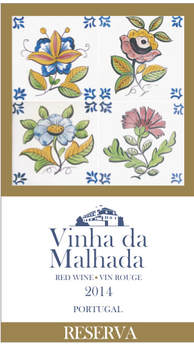
montalto 'vinha da malhada' reserva
touriga nacional, trincadeira, blend The Vinha da Malhada Reserva takes its name from a 3.5-hectare vineyard of the estate where much of this fruit comes from. It is a blend of several local varietals: Touriga Nacional, Alicante Bouchet, Trincadeira, Castelão, and Aragonez; as well as some Syrah that is planted on the property. The fruit was all brought into the cellar for a natural fermentation in 5 and 10 thousand liter stainless steel tanks. Once the fermentations were over, the wine aged for 6 months in large neutral oak barrels from France and America, before it was bottled and ready for the release to the market after a month. The color is a dark ruby with amazingly savory aromatic tones, backed by ripe fruit and spice. This blend comes together on the palate with loads of dark fruit, spice, fresh acidity, and soft tannins. |
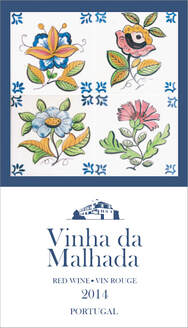
montalto 'vinha da malhada'
aragonez, trincadeira, touriga nac. etc The Vinha da Malhada takes its name from a 3.5-hectare vineyard of the estate where much of this fruit comes from. It is a blend of the two local varieties Aragonez and Trincadeira which were brought into the cellar for a natural fermentation in 5 and 10 thousand liter stainless steel tanks. Once both fermentations completed, the wine saw its first addition of SO2 for stabilization and preservation, was fined with bentonite and pea protein, and after a few months was bottled without filtration to result in a lively and wonderful red. The color is deep and robust, and the aromatics that shoot from the glass are fruity and fresh. The palate offers a very deep structure while being noticeably light on its feet, with bright tones of fruit, and a clean sensation of soil and place. A very food friendly bottle of wine, it should be drank within the first five years of its life. |
|
QUINTA DO MONTALTO ~ anfora de baco wines ~ The Anfora de Baco wines are the winery’s second project that is truly paying homage to historical wines of the region, and is recreating the way clay anfora was used 2,000 years ago during ancient Roman times. Many wineries throughout Portugal use epoxy paint to seal the porous clay, but Quinta do Montalto wanted to prove to its neighbors that like their ancestors, using authentic and high-quality pine-resin could not only be used, but also could give the most natural and best results. André is not only the 5th generation of the Quinta do Montalto estate, but he is also the 4th generation of natural pine resin harvesters in Brazil. The resin used for these Anfora is his own, and he did this with the help of old local craftsman near the cellar that heard of the project and was immediately interested. He had watched his grandfather use resin for clay when he was a little boy, but had never done it himself... but he was up for the challenge. |
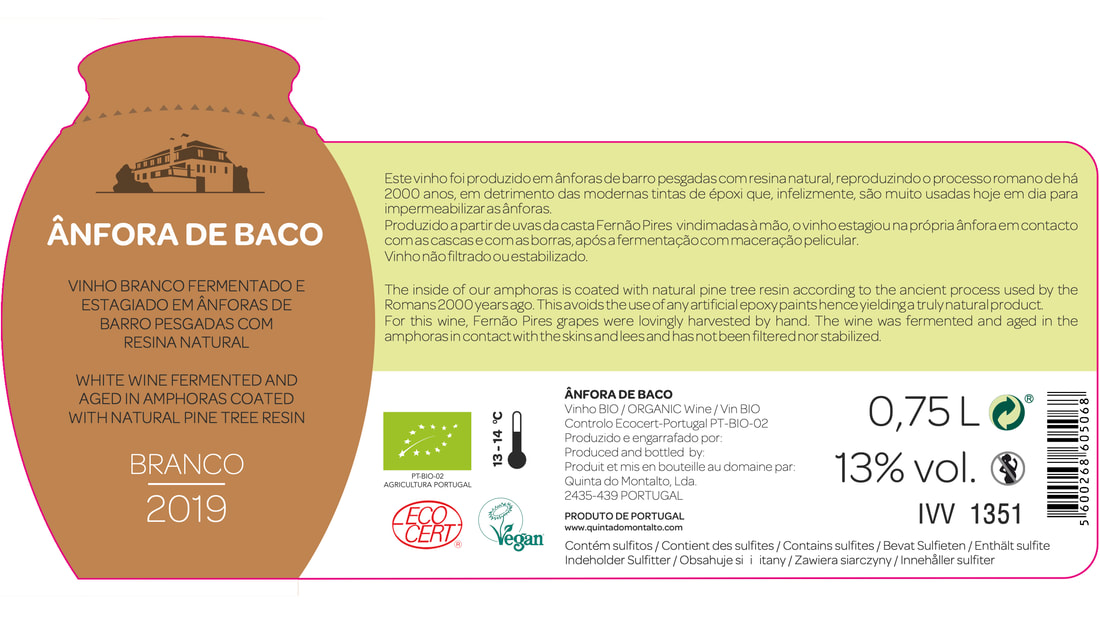
anfora de baco branco
100% fernão pires The Anfora de Baco Branco is comprised of the estate’s oldest vines of Fernão Pires, and after de-stemming and a gentle press, the grape must and about 20% of the skins went into 5 350 to 450 liter anfora for natural fermentation. Once fermentation was complete, the skins naturally settled to the bottom of the vessels, and olive oil was poured over the top of the wine to create a natural seal from the oxygen above. After a short rest, in early January the wine was blended together into stainless steel for further settling, saw a small SO2 addition, and was bottled a couple of weeks later. The wine is gorgeous. Delicate in the mouth while simultaneously having full structure and a bold breath of fresh stone fruits, this white balances acidity and sapidity that would make the ancients proud. |
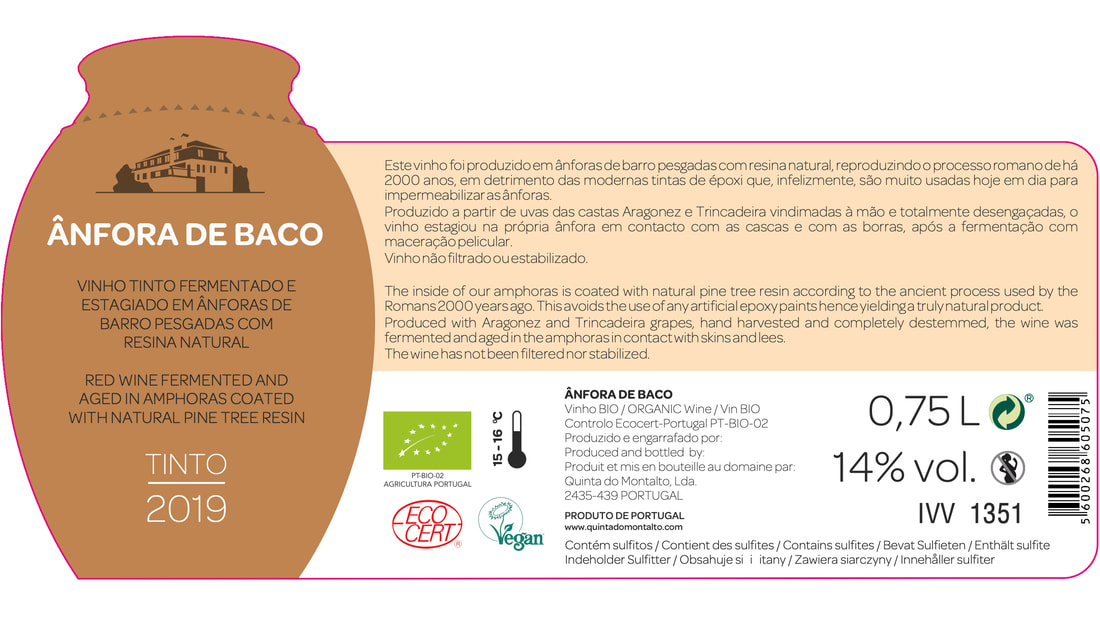
anfora de baco tinto
aragonez & trincadeira The Anfora de Baco Tinto is comprised of two grapes, Trincadeira which gives wonderful aromatics and a fresh fruit character, and Aragonez for its earthy and bold structure. After de-stemming and a gentle press, the individual grape musts and about 25% of their skins went into 8 350 to 450 liter anfora for natural fermentation. Once fermentation was complete, the skins naturally settled to the bottom of the vessels, and olive oil was poured over the top of the wine to create a natural seal from the oxygen above. After a short rest, in early January the wine was blended together into stainless steel for further settling, saw a small SO2 addition, and was bottled a couple of weeks later. The result is wonderfully expressive, while retaining a calm to its texture and weight. It is a deliciously unique, fresh, and exuberant natural wine that tips its hat to the past. |